 I was asked the other day who has been the most influential author in my life. I didn’t hesitate to say, “John Newton”. Almost every one of my books by or on Newton is marked up, highlighted, starred, circled, and worked over. Seldom have I read something by Newton in which I didn’t benefit.
But….
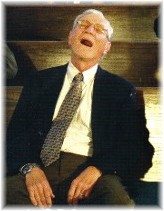
The sermon that we just read in our Year with Newton was…how do I say this…boring. I might have underlined a couple of sentences but for the most part it seemed like a scattered mess.
There was nothing in the sermon that was biblically inaccurate. But there was also little in the sermon that was memorable. It wasn’t put together very well. Reading this sermon gives credence to what Richard Cecil said of Newton’s preaching: “it was often not well prepared, nor careful or ‘graceful’ in delivery.”
I have read other sermons from Newton which were of great benefit to me. And it should be noted that this particular sermon was from 1800—six years before Newton’s death. It was around this time that folks began encouraging Newton to give up the preaching ministry. Of course the old “African blasphemer” as he called himself refused to stop preaching while he still had words to speak.
Why did I have you read one of Newton’s sermons that did not rank among his best? Why not read through some of the ones that I marked up and down with pen strokes? Because I think this kind of boring sermon gives us an insight into Newton’s pastoral ministry.
The same man who said that Newton’s preaching was often ill-prepared and ungraceful also said this:
“He possessed . . . so much affection for his people, and so much zeal for their best interests, that the defect of his manner was little consideration with his constant hearers.”
In other words though 215 years later we are laboring through reading this sermon, the folks who originally heard it probably ate it up. They were likely listening for any nugget of truth that they could find because they loved Newton and trusted him as their pastor.
Newton was captivated by grace. And as such this grace became contagious. It caused people to listen with joy to sermons which likely wouldn’t pass a homiletics course.
There is something here for us preachers to learn. If you preach with the tongues of angels but have not love then your people will only hear a noisy cymbal. But if your people know that you love them—and they love you—then they’ll hear you and benefit from even the clumsy words you say.
Newton wasn’t the greatest preacher but he might have been one of the better pastors. Newton was passionate about applying the gospel in and out of the pulpit. This meant that some of his sermons weren’t as prepared as they should have been—but I’m not willing to charge this man with a deficiency in devoting Himself to the Word and prayer. For every hour he didn’t spend in sermon preparation he spent writing letters, attending to a bedsides, and counseling the broken and hurting.
What we see in Newton’s Amazing Grace is a man that lived his entire life in awe of God. He was amazed that God would rescue such a vile blasphemer as himself. And this awe shaped his life and ministry. This is why Newton was, in my opinion, one of the greatest pastors the Lord has given to His church.
Newton exemplifies what Paul Tripp says here:
…every sermon should be prepared by a person whose study is marked by awe of God. The sermon must be delivered in awe and have at its purpose to motivate awe in those who hear…Awe of God is one of the things that will keep a church from running of its rails and being diverted by the many agendas that can sidetrack any congregation. Awe of God puts theology in its place. (Tripp, Dangerous Calling, 118)
Let us follow Newton in our awe of God.
—
Did you find Newton’s sermon tough to read and follow?
Have you noticed that your reception of a sermon has a great deal to do with your relationship/level of trust towards the person speaking?
What do you think of Newton often preaching “ill-prepared” sermons? Do you think this made him a bad pastor?
How do you think Newton would be received in the Reformed Evangelical culture of our day?
Like this:
Like Loading...


